
HISTORY OF BICHONFRISE
One ancient Mediterranean breed, the Bichon-type dog, stands out as one of the most charming, widely traveled, and influential companions in European history. The Bichon Frise is believed to have descended from the Barbet, a water dog, and developed in the Mediterranean region, particularly around Spain, Italy, and France. Sailors valued these small, cheerful dogs for their friendly nature and often used them for barter during sea voyages, helping the breed spread across coastal Europe. By the 13th and 14th centuries, Bichon-type dogs had become favorites among European nobility, especially in the royal courts of Spain, France, and Italy.
The Bichon Frise rose to particular prominence in France during the reigns of Francis I and Henry III, where it became a beloved lapdog of the aristocracy. The breed was often depicted in Renaissance paintings, symbolizing wealth and refinement. However, during the French Revolution, the Bichon fell out of favor with the nobility and many dogs were abandoned. Their intelligence and adaptable nature helped them survive as street dogs, where they were often trained by organ grinders and circus performers due to their quick learning and playful personality.
By the late 19th century, interest in preserving the breed resurfaced. French and Belgian breeders worked together to restore and standardize the Bichon Frise. In 1933, the breed was officially recognized by the Société Centrale Canine in France under the name Bichon à poil frisé (curly-coated Bichon). Shortly thereafter, the Fédération Cynologique Internationale (FCI) accepted the breed, listing it as a Franco-Belgian dog.
World War II once again threatened the breed’s survival, but dedicated breeders ensured its continuation. After the war, the Bichon Frise was introduced to the United States, where it quickly gained popularity as a companion dog. In 1972, the American Kennel Club officially recognized the Bichon Frise as a member of the Non-Sporting Group. Since then, the breed has grown steadily in popularity, cherished worldwide for its affectionate temperament, hypoallergenic coat, and joyful disposition.
This period also marked the time when these dogs became officially known as the Bichon Frise, distinguishing them from other Bichon-type breeds. In 1933, the French Kennel Club formally recognized the Bichon Frise as a distinct breed, and soon after, the Fédération Cynologique Internationale (FCI) accepted the breed standard. During World War I and later World War II, organized dog shows and breeding programs were severely disrupted, and the breed’s numbers declined. However, following the wars, interest in the Bichon Frise revived, and the dogs were exported beyond continental Europe, particularly to the United States. Although the breed initially remained rare in America, dedicated breeders worked to establish it, leading to the American Kennel Club’s official recognition of the Bichon Frise in 1972.
SIZE & COLORS
Male Bichon Frises, on average, stand 9.5 to 11.5 inches tall at the shoulder and weigh 12 to 18 pounds. Females are similar in size, typically standing 9 to 11 inches tall and weighing 10 to 16 pounds. Individual dogs may be slightly smaller or larger.
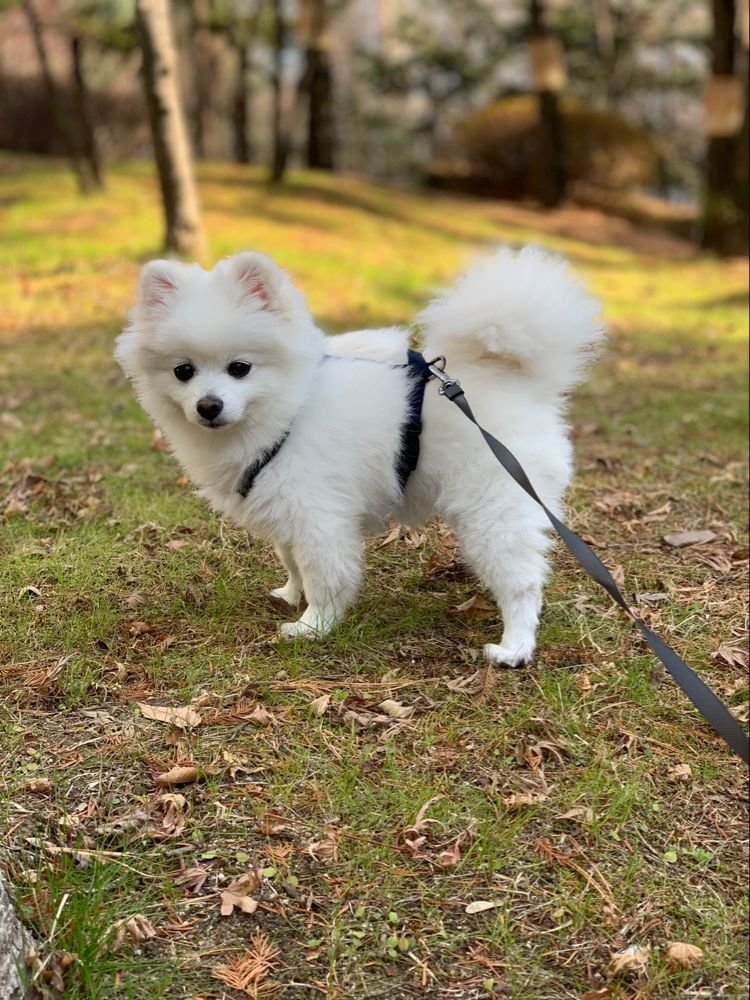
The Bichon Frise coat is one of the breed’s most distinctive features: a soft, dense double coat with a fine, silky outer layer and a plush undercoat. The coat forms loose curls that give the dog its signature fluffy appearance. Bichon Frises are characteristically pure white, though subtle shades of cream, apricot, or buff may appear around the ears or body, especially in puppies. Their dark eyes and black nose contrast sharply with the white coat, enhancing the breed’s cheerful, alert expression.
ABOUT BICHONFRISE
The Bichon Frise, often simply called the Bichon, is instantly recognizable by its fluffy white, curly coat and bright, expressive eyes. Beneath that cloudlike appearance is a sturdy little companion dog bred primarily for companionship rather than hard labor. Originating in the Mediterranean region and refined in France, the Bichon Frise has long been cherished as a lapdog and social companion, especially among European nobility. Unlike working breeds, the Bichon’s role centered on bringing joy, affection, and entertainment to its owners.
Although small in size, the Bichon Frise is lively, adaptable, and surprisingly resilient. The breed experienced periods of decline, particularly during times of social upheaval such as the French Revolution and the World Wars, when lapdogs fell out of favor. Thanks to the dedication of breed enthusiasts, however, the Bichon Frise was preserved and eventually reestablished as a distinct breed.
In addition to being irresistibly cute, the Bichon Frise has a delightful temperament. They are known for being affectionate, cheerful, playful, and highly people-oriented. Bichons are eager to please and intelligent, which makes them relatively easy to train using positive reinforcement methods. They enjoy learning tricks and thrive on attention and praise. Above all, they have a joyful, happy-go-lucky outlook on life and often seem to entertain themselves—and their families—with their playful antics.
The Bichon Frise is friendly and social, getting along well with children, adults, and other pets when properly socialized. Their small size and moderate exercise needs make them well suited for apartment living, provided they receive daily walks and mental stimulation. Bichons are not suited to living outdoors or being left alone for long periods; they form strong bonds with their families and are happiest when included in daily activities.
Because they were bred as companion dogs, Bichon Frises mature fairly quickly but retain a puppy-like enthusiasm well into adulthood. They tend to have sensitive, gentle personalities and do not respond well to harsh training methods. Consistent, kind guidance works best. While generally healthy, the breed does have some inherited health concerns, including allergies, dental issues, and joint problems. Responsible breeding and proper care are essential to maintaining the health and longevity of the Bichon Frise, which typically enjoys a longer lifespan than many larger breeds.
WHY CHOOSE US
HIGH QUALITY SERVICE
Our many years of experience set us apart from other breeders, as we know this breed inside and out. We provide our puppies with both home training and helpful socialization from an early age. Having been around animals all our lives, along with hands-on veterinary experience, we can confidently say you are in the right place to find the perfect Bernese Mountain puppy. With us, you are assured of bringing home a healthy, well-prepared companion.
100 % HEALTHY PUPPIES
We have considered and known every one of the hereditary issues of the variety right from their folks. So we do all the vital test for our guardians prior to reproducing them and ensure that after our children are conceived, they are vet checked and all essential shots are given to them . Our little dogs accompany a year wellbeing ensure declaration to guarantee you that your pup is absolutely solid and fine
24/7 ASSISTANCE AND CUSTOMER CARE
We are free all day, every day to answer to our clients and answer all essential inquiries they could have. We call and converse with our clients on telephone to explain them on any questions and better comprehension in regards to the variety and our administrations.
Health Guarantee, Home-Raised, Vet Checked, Socialized.
At HappyBichonPups, our passion is raising healthy, happy, and well-socialized Bichon Frise puppies that grow into cherished family companions. We are dedicated to responsible breeding, excellent veterinary care, and thoughtfully matching each puppy with a loving, lifelong home.
ABOUT US
Welcome to Happy Bichon Pups! Thank you for visiting our website. We are a family of devoted dog lovers and the proud owners of Happy Bichon Pups. Since 2013, we have been committed to raising and offering healthy, loving Bichon Frise puppies. As lifelong pet enthusiasts, we began breeding these wonderful dogs to help families find the perfect companion. Over the years, our knowledge and appreciation for the Bichon Frise breed have continued to grow. They are known for their cheerful, affectionate, and friendly personalities, making them exceptional family dogs.
Our journey with this breed began in childhood, when we were first gifted a Bichon puppy named Lily. Lily quickly became more than just a pet—she was a best friend, always ready to cuddle, play, and brighten our days. Those early experiences created lifelong memories and a deep love for the Bichon Frise.
As time went on, our admiration for the breed only grew stronger. After starting our own family, we knew we wanted to share the joy of this delightful breed with others. Today, with our three children, we raise our Bichon Frise puppies in a loving home environment where they receive constant attention, socialization, and care. Our puppies grow up surrounded by family life, helping them become confident, well-adjusted companions.
Our mission is to help families welcome the perfect Bichon Frise puppy into their homes. We are dedicated to providing excellent care, early socialization, and gentle training so that our puppies are not only healthy, but also happy, well-mannered, and ready to become cherished members of their forever families.